
Resource
What to Expect During a Residential Roof Replacement
Follow the roof-replacement sequence from scope confirmation and site preparation through tear-off, deck review, installation, cleanup, and final documentation.
Renmark Editorial Team · 4 min read · Published Jul 15, 2026 · Reviewed Jul 15, 2026
A roof replacement is more than installing a new visible covering. It involves protecting the property, removing or preparing existing materials, evaluating the supporting surface, integrating underlayment and flashing, managing weather, and documenting changes that could not be seen before removal.
Every roof and material system is different. This overview explains a typical sequence so you know what to ask, while the signed scope and project communication should control for your home.
Final scope and preconstruction review
Before scheduling, confirm roof areas, tear-off or recover approach where applicable, covering and color, underlayment, flashing, penetrations, ventilation, edge details, known repairs, exclusions, and cleanup. Ask which items are reused and which are replaced.
Review how concealed deck or substrate damage will be measured, photographed, priced, and authorized. Confirm anticipated timing, material delivery, payment milestones, warranty documents, and the person responsible for project communication.
Material delivery and site setup
The project team should coordinate where materials, trailers, or containers will be placed and how vehicles, paving, gates, landscaping, pools, and exterior equipment will be protected. Move vehicles before the arrival window and keep the work and delivery paths clear.
Ask about daily cleanup, magnetic collection when relevant, and how access will be maintained. Tell the team about irrigation lines, septic components, delicate plants, exterior outlets, or surfaces that are not obvious.
Removal of existing roofing
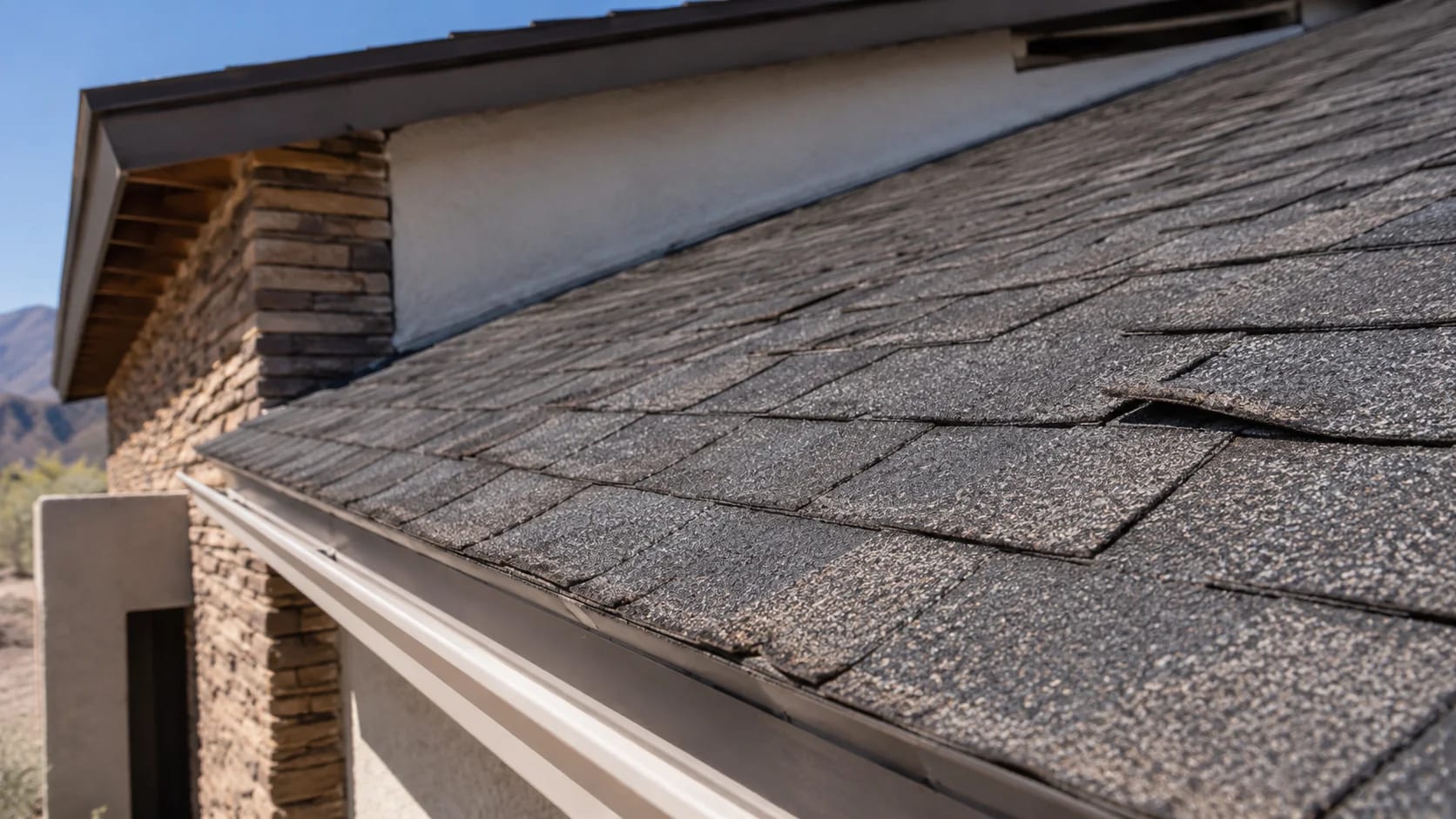
Removal exposes the condition of materials that an estimate may not fully reveal. The crew works in sections based on roof type, weather plan, and safe staging. Noise, vibration, and debris are expected, so secure fragile wall and shelf items and keep people and pets away from exterior work zones.
The removal scope varies. Tile systems may involve tile handling as well as underlayment work; shingle systems have different tear-off and disposal steps. Ask how reusable material, if any, is identified and protected.
Deck and substrate evaluation
With covering removed, the crew can inspect accessible supporting surfaces for deterioration, damage, unsuitable prior work, or areas that need correction before the new system proceeds. This is where the agreed change-order process matters.
Request documentation for conditions that change the price or scope. Understand whether repair quantities are allowances, unit-priced, or included to a stated limit. Added work should not be an unexplained surprise at final billing.
Underlayment, flashing, and roof covering installation
Installation sequence depends on the selected system. Underlayment, edges, valleys, walls, penetrations, vents, flashings, and covering must be integrated in the correct order. Ask how manufacturer instructions and the documented project specification are used.
Visible roofing is only one layer. Take interest in the details that manage water at transitions, because those areas are difficult to understand after the covering is complete. Progress photographs can provide a useful record when offered by the project team.
Weather and daily dry-in planning
Wind, rain, lightning, and excessive heat can affect safe work and material handling. Ask how much roof is opened at once, what constitutes a protected stopping point, and how forecast changes are communicated. A responsible weather delay is different from an unexplained schedule gap.
Do not expect an exact completion day to be guaranteed regardless of conditions. Ask for an anticipated range and the factors most likely to change it for your roof.
Prepare the home and property
Roof work creates vibration and activity around the home. Take practical steps before the crew arrives.
Move vehicles and outdoor items as directed.
Secure pets and keep children away from work zones.
Remove fragile items from walls, shelves, and attic areas where vibration may matter.
Unlock required gates and identify electrical or water access.
Discuss pools, landscaping, antennas, solar equipment, and deliveries.
Tell the project contact about leaks or interior changes immediately.
Cleanup, final review, and records
At completion, review the work areas and any remaining items with the project contact. Confirm debris removal, site cleanup, operation around gates or equipment, and resolution of documented change orders. Ask what photographs, product records, warranty documents, and care instructions you should retain.
A final walkthrough cannot expose every concealed roof detail, which is why a clear scope and progress communication matter. Renmark can evaluate an Arizona roofing project and explain the proposed sequence for the specific roof system before work is scheduled.
Questions related to this guide
How are weather delays handled during roofing work?
Weather planning should address when work will pause, how exposed areas will be protected, and how schedule changes will be communicated. Wind, rain, lightning, and excessive heat can affect safe installation. Ask for the project-specific weather plan because roof type and stage of work change the precautions needed.
What happens to old roofing material?
The written scope should explain removal, disposal, site protection, and cleanup. Ask where the debris container or trailer will be placed, how landscaping and driveways will be protected, whether magnetic nail collection is applicable, and how unexpected deck or substrate damage will be documented before additional work proceeds.
How long does a residential roof replacement take?
Duration depends on roof size and complexity, material system, deck repairs, crew access, weather, inspections, and the scope confirmed after removal. Your representative can provide an anticipated schedule for the specific home, but it is sensible to allow for adjustments when hidden conditions or unsafe weather are encountered.
How should I prepare my property for roofing work?
Move vehicles and fragile outdoor items as directed, unlock needed gates, secure pets, and protect items that could be affected by vibration in the attic or on walls. Discuss landscaping, pools, satellite equipment, deliveries, electrical access, and daily cleanup before work begins so the site plan fits your property.
Continue your research
Ready to Discuss Your Home?
Tell Renmark what you would like evaluated, and our team will help you understand the condition of your home, available options, and appropriate next steps.