
ROC 364596
Arizona contractor license
Windows, doors, roofing, and attic insulation for greater Phoenix homeowners.
Window Replacement service area
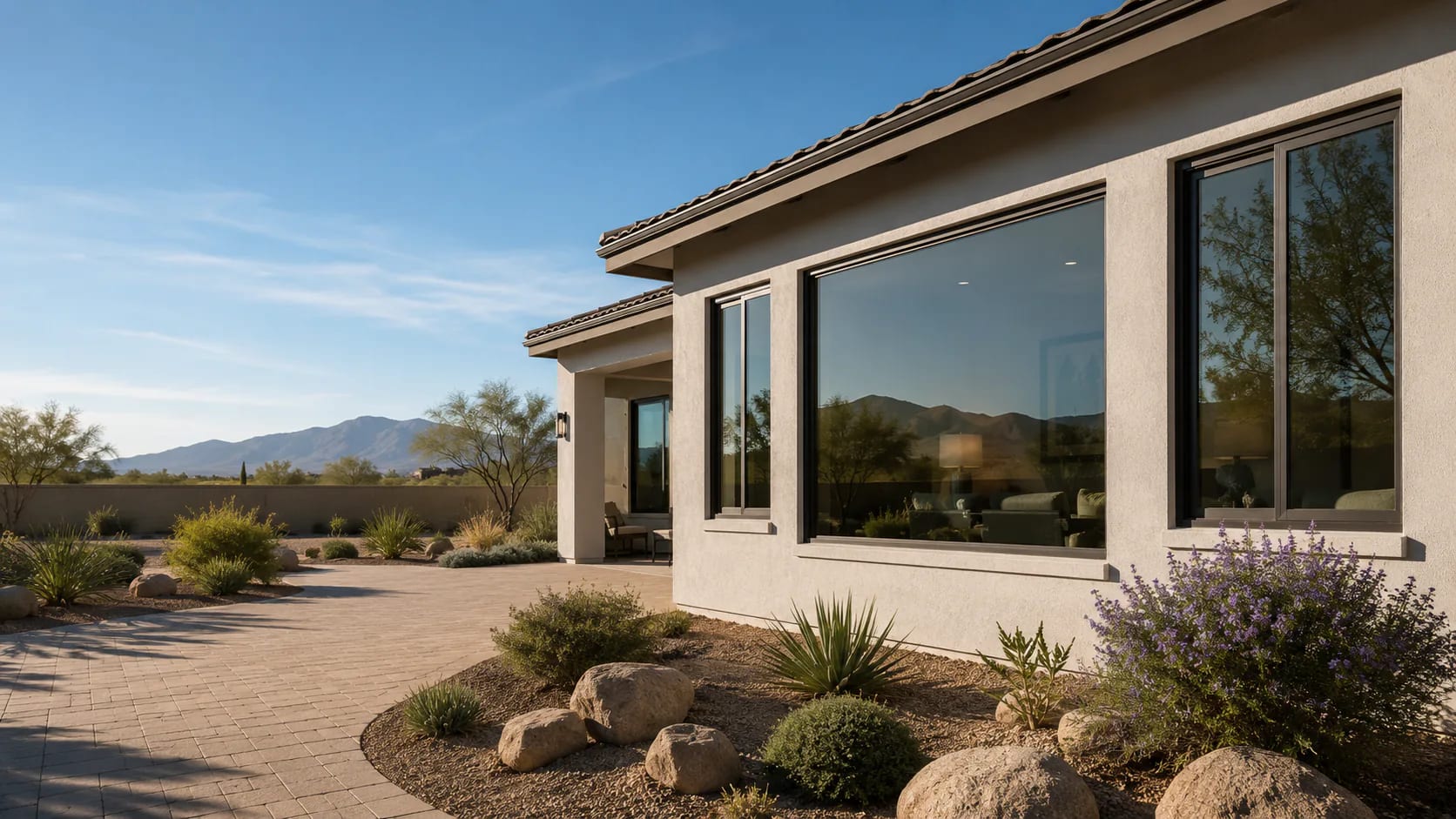
Glendale window projects often begin with rooms that feel especially hot, frames or seals that show age, glass fogging, or openings that no longer operate smoothly. Compare glass performance with frame durability, air sealing, stucco or block-wall interfaces, and the direction each window faces. Replacement should address a documented condition or goal—not heat alone.
ROC 364596
Arizona contractor license
Serving homeowners throughout greater Phoenix and surrounding communities
Service-area coverage
Local service overview
Glendale window projects often begin with rooms that feel especially hot, frames or seals that show age, glass fogging, or openings that no longer operate smoothly. Compare glass performance with frame durability, air sealing, stucco or block-wall interfaces, and the direction each window faces. Replacement should address a documented condition or goal—not heat alone.
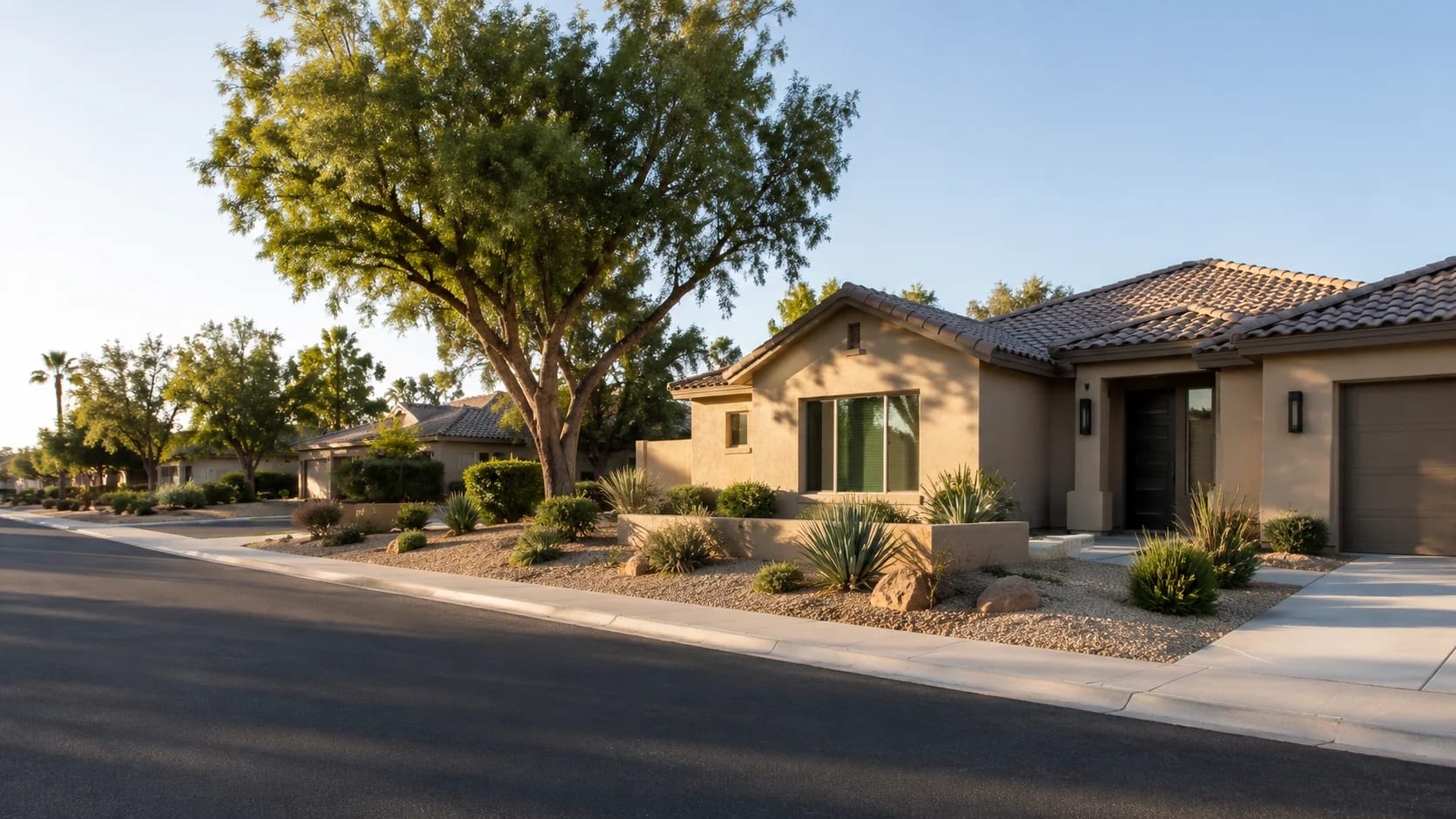
Glendale stretches from long-established central neighborhoods to newer residential areas farther north and west. That range matters when evaluating a home: an older block or ranch property may have original openings and several generations of roof work, while a later stucco home may have larger glass areas, tile roofing, and different installation details. Renmark starts with the actual construction and visible condition rather than making assumptions from the ZIP code. Attic-insulation recommendations begin with accessible conditions in the individual home, including existing material, coverage, ventilation clearances, ceiling penetrations, ducts, equipment, and safe access. For window replacement, the estimate should connect those property conditions to the measured opening or roof system and a written installation scope.
Why it matters here
Established Glendale homes may have aluminum-frame windows, older thresholds, block-wall openings, or roofing that has been repaired at different times. Measurements and finish conditions should be documented opening by opening.
West Valley afternoons can place sustained heat and ultraviolet exposure on west- and south-facing glass, doors, sealants, finishes, and roofing components. Wind-driven dust and monsoon rain can also reveal worn weatherstripping, drainage problems, or vulnerable roof transitions. Those symptoms should be traced before a scope is recommended. That context helps frame a window replacement evaluation without assuming that age, city, or one symptom automatically proves that replacement or added material is required.
Local homeowner considerations
Glendale window projects often begin with rooms that feel especially hot, frames or seals that show age, glass fogging, or openings that no longer operate smoothly. Compare glass performance with frame durability, air sealing, stucco or block-wall interfaces, and the direction each window faces. Replacement should address a documented condition or goal—not heat alone. Established Glendale homes may have aluminum-frame windows, older thresholds, block-wall openings, or roofing that has been repaired at different times. Measurements and finish conditions should be documented opening by opening.
Glendale window projects often begin with rooms that feel especially hot, frames or seals that show age, glass fogging, or openings that no longer operate smoothly. Compare glass performance with frame durability, air sealing, stucco or block-wall interfaces, and the direction each window faces. Replacement should address a documented condition or goal—not heat alone.
Established Glendale homes may have aluminum-frame windows, older thresholds, block-wall openings, or roofing that has been repaired at different times. Measurements and finish conditions should be documented opening by opening.
West Valley afternoons can place sustained heat and ultraviolet exposure on west- and south-facing glass, doors, sealants, finishes, and roofing components. Wind-driven dust and monsoon rain can also reveal worn weatherstripping, drainage problems, or vulnerable roof transitions. Those symptoms should be traced before a scope is recommended.
Sashes that bind, will not stay open, or no longer latch consistently deserve evaluation.
Persistent haze or moisture inside an insulated glass unit can indicate a failed seal.
Soft material, separated joints, recurring staining, or water entry may require more than a hardware repair.
West Valley afternoons can place sustained heat and ultraviolet exposure on west- and south-facing glass, doors, sealants, finishes, and roofing components. Wind-driven dust and monsoon rain can also reveal worn weatherstripping, drainage problems, or vulnerable roof transitions. Those symptoms should be traced before a scope is recommended.
Arizona window decisions should account for direct sun, orientation, exterior shading, dust, wind, and seasonal rain. Glass ratings, frame construction, operation, and installation details work together; no single feature guarantees a particular energy-bill result.
Compare operating style, frame construction, glass, screens, finish, and replacement method against the measured opening and its surrounding materials. For a Glendale home, the selection should also account for the property conditions and exposure described in this guide.
Renmark process
Your consultant reviews window condition, measurements, product options, pricing, and next steps.
Request your estimate
Start online or call Renmark to discuss your Glendale project.
Meet with a Renmark consultant
Review options and pricing
Confirm scope and next steps
Materials are ordered
Installation is scheduled
Final walkthrough and warranty support
FAQs
Financing availability, providers, eligibility, and terms can change and must be verified for the specific project. If financing is currently offered, a Renmark representative can explain the available application process and provide the applicable disclosures. Do not rely on an old web page or advertisement as a promise of approval or terms.
Removal and cleanup expectations should be stated in the project scope. Ask whether the crew will remove old window units, packaging, and ordinary installation debris, and whether any unusual material or pre-existing damage requires a separate plan. Keep any component you want saved by discussing it before work begins.
Ask separately about manufacturer product coverage and any installation or workmanship coverage. Confirm who provides each warranty, what is excluded, whether registration is required, how transfer works, and how a claim is started. The written documents for the selected product and project control over general marketing summaries.
Windows on different sides of a home can receive different amounts and timing of direct sun. Shading, glass selection, frame condition, nearby surfaces, and room use can therefore change priorities by opening. A useful evaluation considers the home as it actually sits rather than recommending one configuration solely from a product name.
The next steps typically include confirming measurements and selections, ordering or scheduling the required materials, communicating anticipated timing, and reviewing preparation instructions. The exact sequence varies by service, so ask which decisions remain open and who will contact you with schedule updates.
Some conditions cannot be confirmed until existing materials are removed. Before work starts, ask how the team documents hidden damage, who can authorize added work, and whether a written change order is required. You should understand the condition, proposed correction, price, and schedule effect before additional work proceeds.
Keep children and pets away from work zones, tools, materials, open doors or windows, ladders, and debris paths. Arrange a closed room or off-site plan when practical, and tell the crew about gates or animals before work begins. The safest arrangement depends on the service and layout of the home.
The duration varies with the number, size, style, accessibility, and condition of the openings, as well as any finish work discovered during removal. A small project may be completed more quickly than a whole-home project, but your Renmark representative should confirm the expected schedule after final measurements and scope review.
Related resources
Learn what happens before, during, and after a Renmark home-improvement estimate, how to prepare, and what information you can expect to receive.
Read guideUse a simple Arizona-focused calendar to observe windows, doors, roofing, drainage, seals, and storm changes before small concerns lose their context.
Read guideReduce avoidable dust entry and wind hazards by closing the home deliberately, securing outdoor items, protecting indoor air, and planning a safe inspection afterward.
Read guideNearby service areas
Free estimate
Request your free Renmark estimate and our team will contact you to confirm details and next steps.