
ROC 364596
Arizona contractor license
Windows, doors, roofing, and attic insulation for greater Phoenix homeowners.
Attic Insulation service area
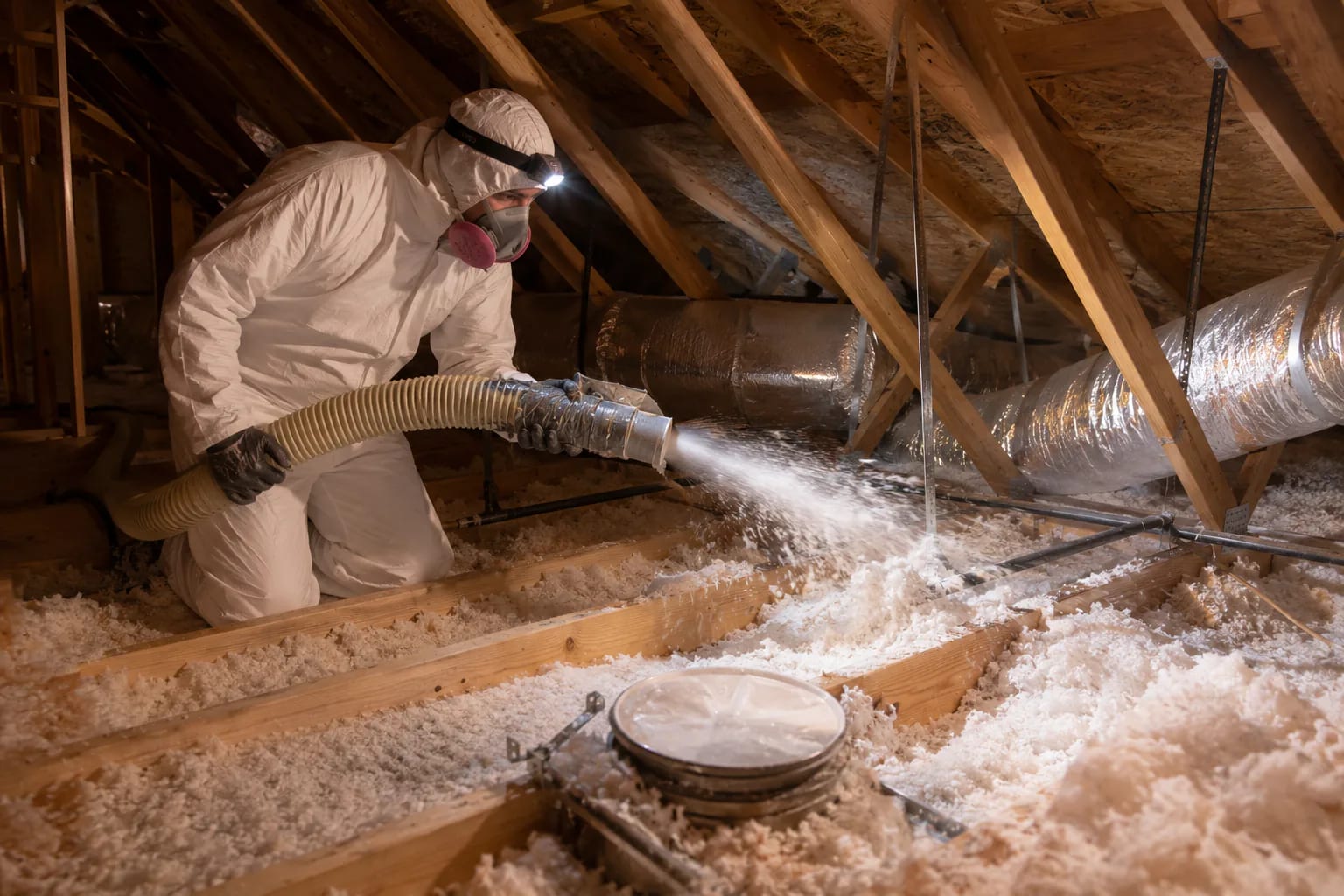
Surprise homes include early residential areas, retirement-oriented communities, and extensive newer subdivisions with different roof heights, attic volumes, ducts, and access points. Similar exterior styles do not guarantee the same insulation installation or condition. Renmark checks accessible insulation for continuity, settling, compression, and disturbance and reviews ventilation clearances and nearby mechanical or electrical components. A written scope should identify included attic zones and avoid promising a specific comfort or utility result from material alone.
ROC 364596
Arizona contractor license
Serving homeowners throughout greater Phoenix and surrounding communities
Service-area coverage
Local service overview
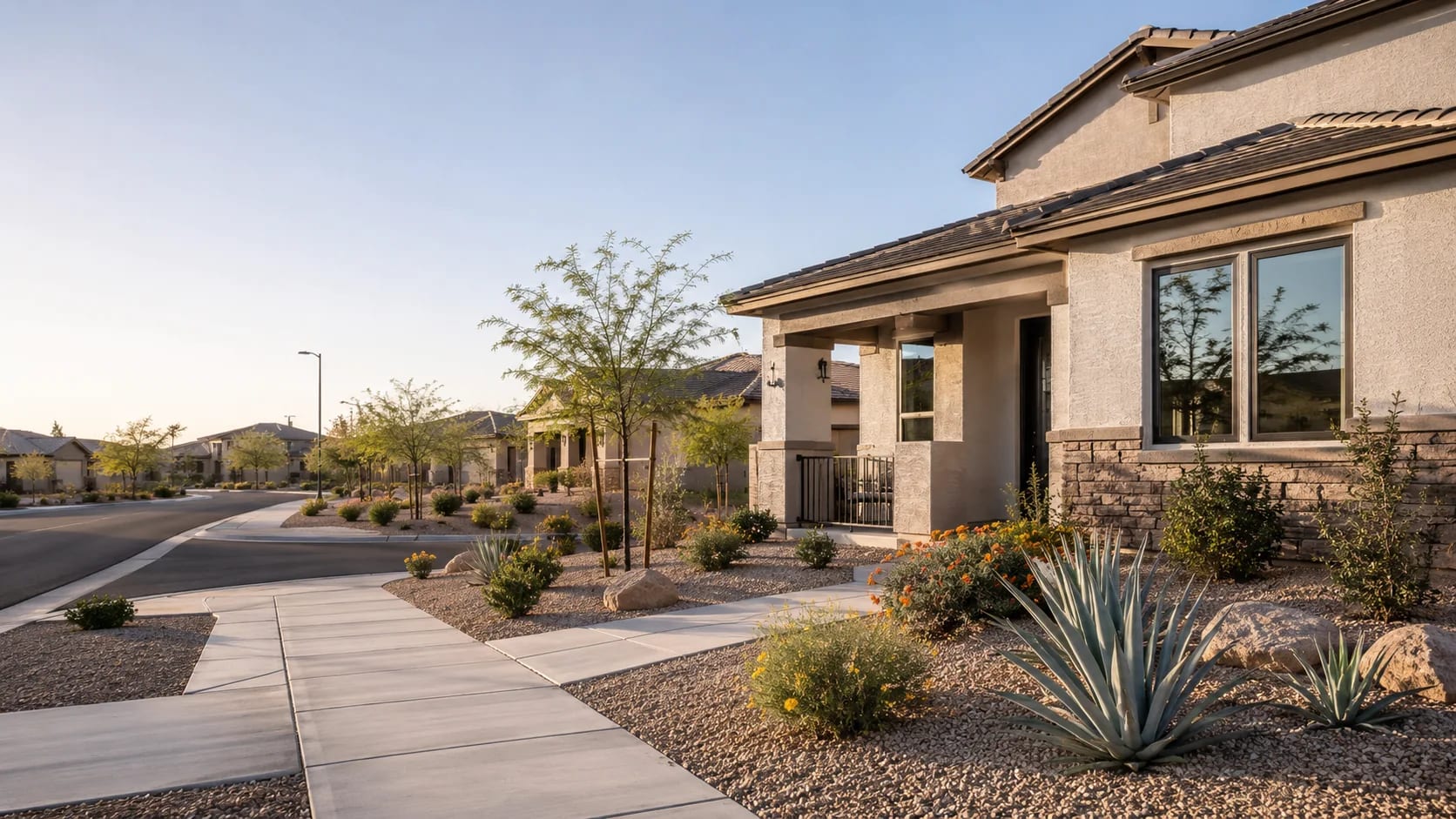
Surprise homes include early residential areas, retirement-oriented communities, and extensive newer subdivisions with different roof heights, attic volumes, ducts, and access points. Similar exterior styles do not guarantee the same insulation installation or condition.
Renmark checks accessible insulation for continuity, settling, compression, and disturbance and reviews ventilation clearances and nearby mechanical or electrical components. A written scope should identify included attic zones and avoid promising a specific comfort or utility result from material alone.
Surprise has grown through multiple waves of residential construction, so “newer suburb” does not describe every property or every exterior system. Homes may range from established single-story neighborhoods to larger two-story subdivisions with tile roofs and broad patio openings. Even within the same development, orientation, shade, upkeep, and prior storm exposure can create different needs. Renmark evaluates the home rather than assuming its age establishes a replacement requirement. Attic-insulation recommendations begin with accessible conditions in the individual home, including existing material, coverage, ventilation clearances, ceiling penetrations, ducts, equipment, and safe access. For attic insulation, the estimate should connect those property conditions to observed attic conditions and a written insulation scope.
Why it matters here
Many Surprise floor plans spread living space across wide single-story footprints or multi-level layouts. Coverage can vary near garage transitions, vaulted areas, and mechanical platforms, so the evaluation should not generalize from the easiest access point.
The western Valley receives prolonged summer heat and strong late-day sun. Open exposures can add wind-blown dust, while monsoon storms can stress roof edges, drainage, flashing, screens, and opening seals. Exterior materials should be selected and installed for those conditions without making unsupported promises about energy savings. That context helps frame a attic insulation evaluation without assuming that age, city, or one symptom automatically proves that replacement or added material is required.
Local homeowner considerations
Surprise homes include early residential areas, retirement-oriented communities, and extensive newer subdivisions with different roof heights, attic volumes, ducts, and access points. Similar exterior styles do not guarantee the same insulation installation or condition. Renmark checks accessible insulation for continuity, settling, compression, and disturbance and reviews ventilation clearances and nearby mechanical or electrical components. A written scope should identify included attic zones and avoid promising a specific comfort or utility result from material alone. Many Surprise floor plans spread living space across wide single-story footprints or multi-level layouts. Coverage can vary near garage transitions, vaulted areas, and mechanical platforms, so the evaluation should not generalize from the easiest access point.
Surprise homes include early residential areas, retirement-oriented communities, and extensive newer subdivisions with different roof heights, attic volumes, ducts, and access points. Similar exterior styles do not guarantee the same insulation installation or condition. Renmark checks accessible insulation for continuity, settling, compression, and disturbance and reviews ventilation clearances and nearby mechanical or electrical components. A written scope should identify included attic zones and avoid promising a specific comfort or utility result from material alone.
Many Surprise floor plans spread living space across wide single-story footprints or multi-level layouts. Coverage can vary near garage transitions, vaulted areas, and mechanical platforms, so the evaluation should not generalize from the easiest access point.
The western Valley receives prolonged summer heat and strong late-day sun. Open exposures can add wind-blown dust, while monsoon storms can stress roof edges, drainage, flashing, screens, and opening seals. Exterior materials should be selected and installed for those conditions without making unsupported promises about energy savings.
Insulation that has settled, been stored on, or been moved during other attic work may no longer provide continuous coverage.
Open areas around an attic hatch, wiring, plumbing, ducts, or ceiling penetrations may point to an incomplete thermal boundary or a clearance that needs review.
Material pushed into intended intake openings can interfere with attic airflow and should be evaluated before more insulation is installed.
The western Valley receives prolonged summer heat and strong late-day sun. Open exposures can add wind-blown dust, while monsoon storms can stress roof edges, drainage, flashing, screens, and opening seals. Exterior materials should be selected and installed for those conditions without making unsupported promises about energy savings.
Greater Phoenix attics experience long periods of strong solar heating. Insulation can reduce heat transfer through the ceiling, but it does not replace appropriate roof condition, attic ventilation where the assembly uses it, duct repair, or properly sized HVAC equipment.
Compare the proposed insulation material, preparation, included attic areas, target coverage, access treatment, ventilation protection, clearances, cleanup, exclusions, and trade coordination. For a Surprise home, the selection should also account for the property conditions and exposure described in this guide.
Renmark process
Your evaluator reviews accessible insulation, attic conditions, scope boundaries, material, preparation, and next steps.
Request your estimate
Start online or call Renmark to discuss your Surprise project.
Meet with a Renmark consultant
Review options and pricing
Confirm scope and next steps
Materials are ordered
Installation is scheduled
Final walkthrough and warranty support
FAQs
Visible thin, bare, uneven, settled, or disturbed areas can justify an evaluation, but material depth alone does not explain every comfort concern. Renmark reviews accessible coverage, the ceiling plane, ventilation clearances, penetrations, ducts, equipment, and relevant history before recommending a scope.
Sometimes, when the existing material is dry, compatible, safely located, and suitable to remain. Wet, contaminated, damaged, compacted, pest-affected, or suspect material may need a different plan, so the existing attic should be evaluated before it is covered.
The proposed material depends on the attic assembly, existing insulation, access, coverage needs, ventilation, nearby equipment, and written product requirements. The estimate identifies the exact loose-fill, batt, or other approved approach included in the project instead of promising one material for every home.
Insulation slows heat transfer through the ceiling, while ventilation manages intended outdoor airflow in a vented attic. Insulation should not block designed intake paths, and adding vents is not automatically part of an insulation project. The roof and attic conditions should be evaluated as connected but distinct systems.
Air sealing and insulation perform different jobs, and accessible ceiling penetrations may need attention before insulation is added. The written Renmark scope should identify any air-sealing work that is included, items that must remain clear, and conditions that require an electrical, HVAC, or other qualified trade.
Active moisture, roof leaks, unsafe wiring, combustion-clearance concerns, damaged ducts, pest activity, bath exhaust terminating in the attic, and suspected hazardous material should be identified before they are covered. The appropriate qualified professional should address work outside the insulation scope.
Insulation can reduce heat transfer through the ceiling, but room comfort and energy use also depend on windows, air leakage, ducts, HVAC operation, orientation, shade, occupancy, and other conditions. Renmark does not promise a specific temperature or savings result without the home and system data needed to support it.
Describe the affected rooms and timing, share known roof, HVAC, electrical, moisture, pest, or insulation history, and identify the attic access. Do not enter an unsafe or excessively hot attic; clear a practical path to the access when possible and let the evaluator determine safe entry.
Related resources
Learn when existing attic insulation may be suitable to remain, when removal deserves consideration, and which air-sealing, ventilation, moisture, pest, duct, and safety conditions should be checked first.
Read guideLearn how intake, exhaust, insulation, air sealing, ducts, and the roof assembly interact—and why adding a vent without evaluating the system can miss the problem.
Read guideNearby service areas
Confirm service by phone
Call Renmark to confirm the Surprise address, attic access, visible concerns, and the appropriate next step.