
Resource
Window Replacement vs. Window Repair: How to Decide
Compare repair and replacement by looking at the failed component, the frame and opening, product compatibility, project goals, and complete installed scope.
Renmark Editorial Team · 4 min read · Published Jul 15, 2026 · Reviewed Jul 15, 2026
A draft, broken lock, cloudy pane, or damaged screen may sound like a simple repair question. The useful decision is more specific: which component failed, is a compatible repair available, and is the rest of the window and opening still able to perform?
Repair and replacement are not opposing answers where one is always economical and the other is always comprehensive. Each has situations where it can be a sensible scope. Start with the condition and your goal, then compare written solutions on the same basis.
Identify the problem before choosing the scope
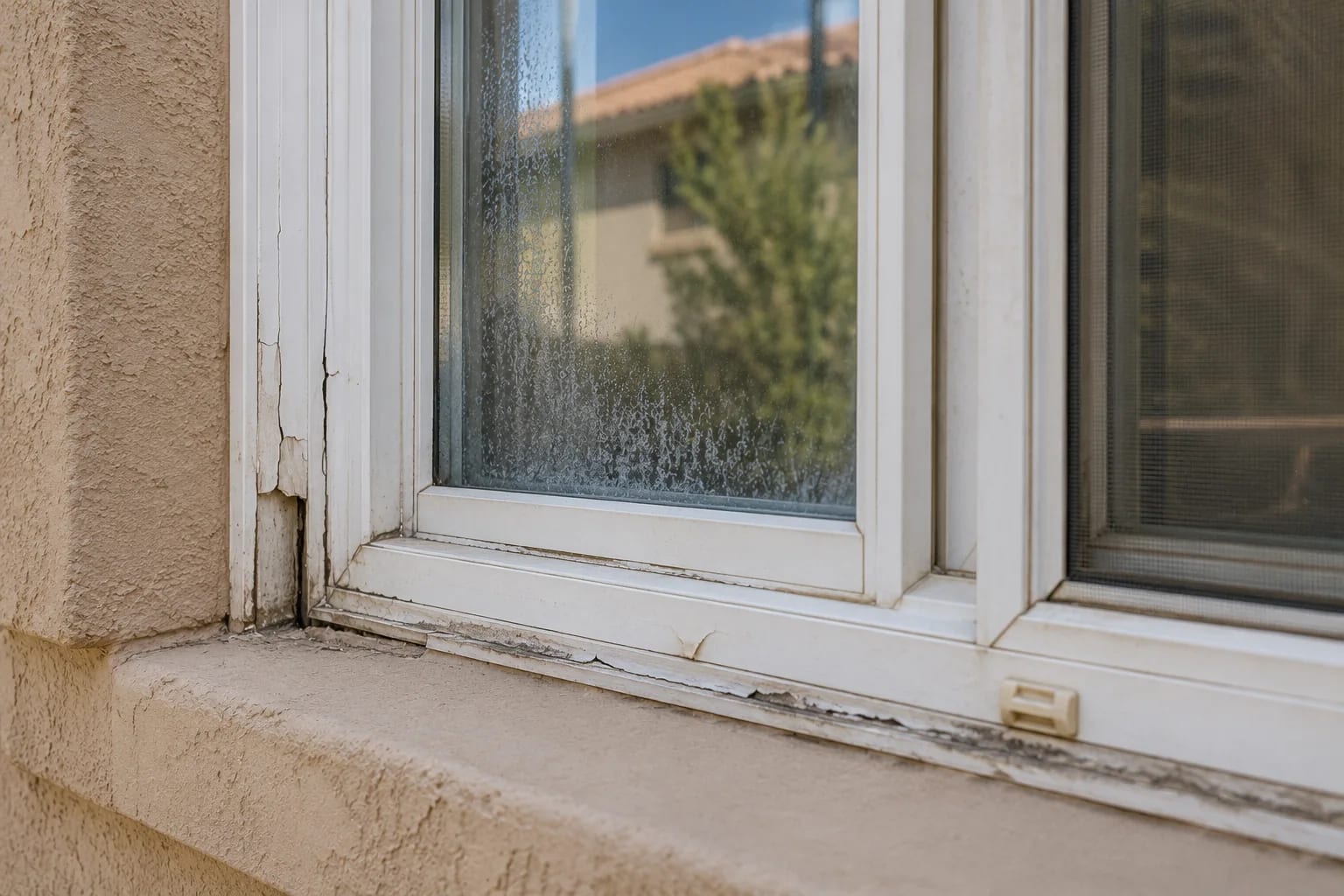
A window is a group of components: glass, sash, frame, balances or hinges, locks, seals, screens, trim, and the connection to the wall. A problem limited to removable hardware is different from a deteriorated frame or recurring water entry. Ask the evaluator to name the condition rather than offering replacement as the diagnosis.
Also identify what you want to change. Restoring operation, resolving a leak, changing the style, improving a sun-exposed room, or updating several mismatched openings can lead to different recommendations even when the visible symptom is similar.
When a focused repair may be reasonable
Repair deserves consideration when the problem is isolated, the frame and surrounding opening are sound, compatible parts or glass are available, and the work can restore safe operation without concealing another condition. Examples can include selected hardware, screens, weather seals designed to be replaced, or an insulated glass unit in a serviceable sash.
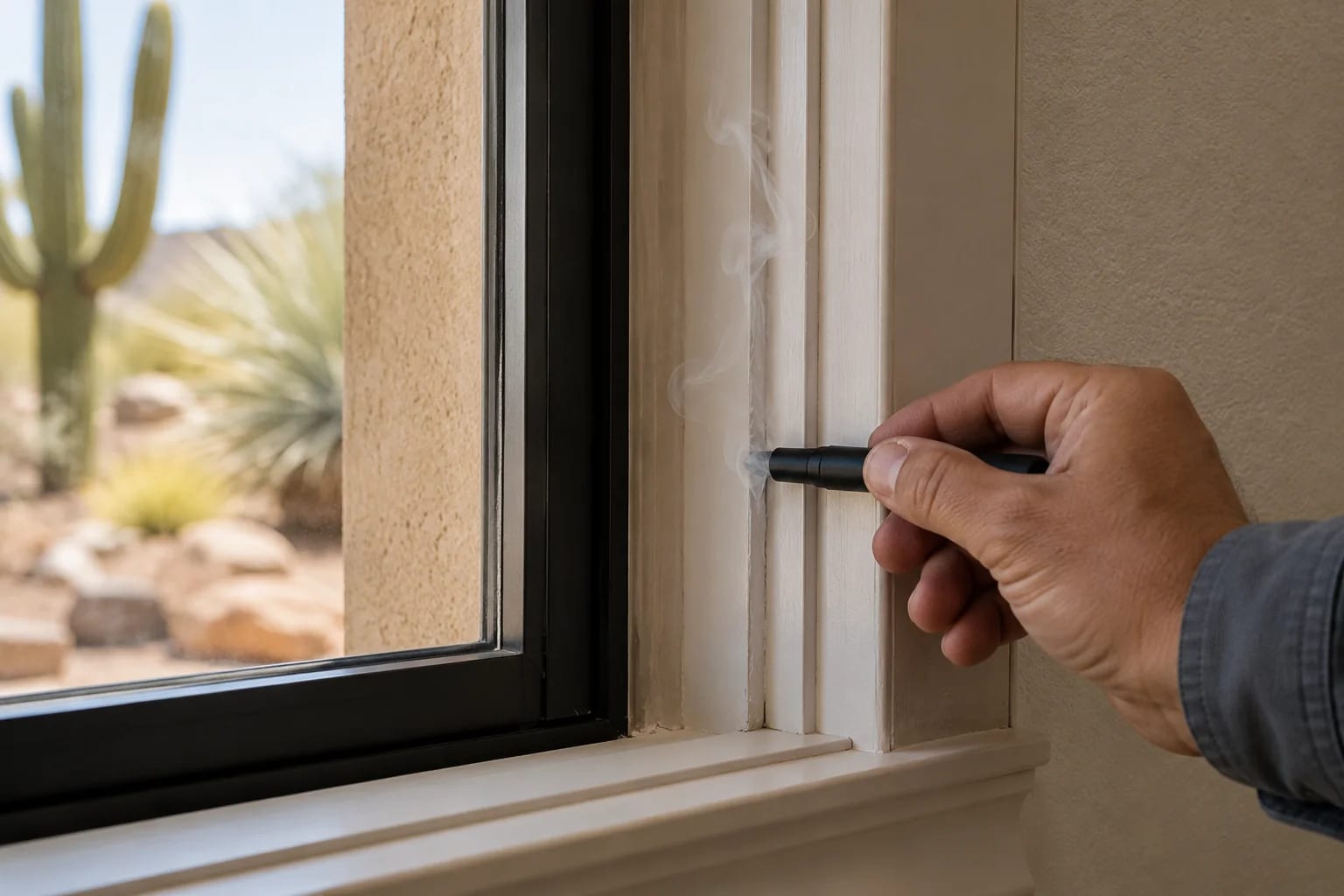
Confirm what the repair covers and what it does not. Replacing one glass unit will not correct an out-of-square frame; adding weather stripping will not repair soft material; and surface caulk will not resolve every water path. A repair should have a clear relationship to the observed cause.
When replacement deserves consideration
Replacement may be more practical when a frame or sash is broadly deteriorated, components are obsolete or repeatedly failing, operation cannot be restored reliably, water-management details need reconstruction, or the homeowner wants a different operating or glass system. Multiple issues across the same product group can also change the economics of repeated repairs.
Replacement is still not one uniform scope. Insert-style and full-frame approaches affect how much existing material remains and how the opening is finished. Ask which method is proposed, why it fits the condition, and how the new unit will be integrated with interior and exterior surfaces.
Compare remaining condition, not age alone
Installation quality, exposure, operation, maintenance, and materials influence condition. Two windows installed at the same time can age differently when one receives intense afternoon sun or repeated water exposure. A calendar estimate can provide context, but direct observation should drive the recommendation.
If only a few openings show problems, ask whether they share an orientation, style, product line, or installation detail. That pattern can help you decide whether to address individual openings now and monitor others, or develop a phased plan.
Evaluate product and part compatibility
A repair is only as useful as the fit and durability of the replacement component. Verify that glass thickness, hardware geometry, seals, and drainage paths remain compatible with the original system. Improvised parts may operate poorly or interfere with safety and water management.
For replacement, compatibility shifts to the opening and house: rough dimensions, wall thickness, stucco or siding, sill conditions, egress needs, trim, alarms, and window treatments. The proposal should address these interfaces rather than treating the window as an isolated object.
Compare complete costs and disruption
Price matters, but compare the full scope. A repair quote should state parts, labor, finish work, and limitations. A replacement quote should identify the unit, glass package, installation method, removal, trim, sealants, cleanup, and treatment of concealed damage. Ask whether taxes, permits when applicable, and disposal are included rather than assuming.
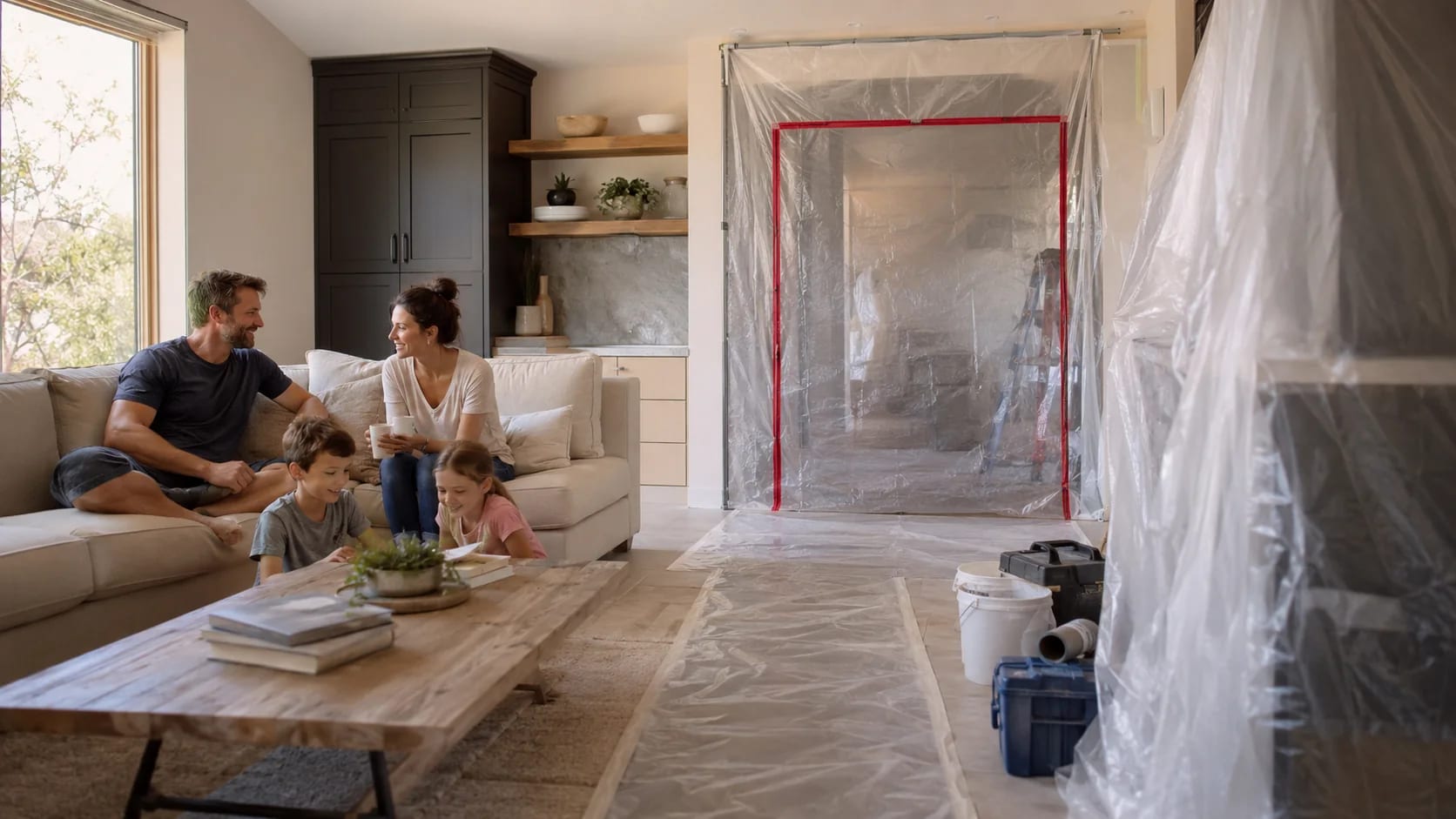
Consider access and disruption too. A short repair may still require special parts or a return visit. Replacement may affect blinds, security sensors, paint, stucco, or nearby furniture. A written scope makes these tradeoffs visible before work begins.
Questions that lead to a clearer recommendation
Ask the same questions of anyone evaluating the opening. The goal is not to force identical answers; it is to reveal whether each recommendation is tied to evidence and a defined scope.
Which component or interface is causing the problem?
What evidence shows that the surrounding frame and wall are sound?
Is a compatible repair part available, and what limitation would remain?
Which replacement method is proposed and which existing materials remain?
How will water drainage, interior trim, exterior finish, and cleanup be handled?
What happens if concealed damage appears after removal?
Choose the smallest scope that reliably addresses the goal
A responsible decision does not require replacing every window because one has a problem, or repairing indefinitely when the underlying assembly is failing. It means matching the scope to the condition, desired result, compatibility, and written installation details.
Renmark can evaluate replacement options for Arizona homes and explain where the proposed scope begins and ends. If a focused repair by another specialist is the more appropriate category, a clear inspection should help you understand why.
Questions related to this guide
How should I compare home-improvement estimates?
Compare scope, product specifications, quantities, preparation, removal, installation details, finish work, cleanup, allowances, exclusions, schedule assumptions, payment terms, and warranty documents. A lower total may reflect a different scope, so ask contractors to explain differences instead of comparing only the final number.
Can individual windows be replaced?
Often, yes. Whether replacing one opening is practical depends on its condition, compatibility with nearby windows, the desired appearance, and the cause of the problem. Evaluating the affected opening and the surrounding wall helps determine whether a focused replacement or a larger plan makes more sense.
What are common signs windows may need replacement?
Possible signs include difficult operation, damaged frames, recurring water entry, drafts caused by a poor seal, persistent condensation between panes, or glass and hardware that no longer perform as intended. One symptom does not automatically mean every window needs replacement; an on-site evaluation can separate repairable issues from broader deterioration.
Continue your research
Ready to Discuss Your Home?
Tell Renmark what you would like evaluated, and our team will help you understand the condition of your home, available options, and appropriate next steps.