
Resource
Signs Your Windows May Need Replacement in Arizona
Learn which window symptoms deserve attention, which may be repairable, and how Arizona sun, heat, dust, and seasonal storms affect an evaluation.
Renmark Editorial Team · 5 min read · Published Jul 15, 2026 · Reviewed Jul 15, 2026
A window that feels uncomfortable or looks worn does not automatically need replacement. Some problems come from hardware, weather stripping, caulk, shading, or another part of the wall. Other symptoms point to deterioration in the glass unit, frame, or installation that a small adjustment will not correct.
Arizona homes add a demanding combination of strong sun, high surface temperatures, dust, wind, and seasonal rain. A useful window evaluation considers those exposures along with how the opening operates and manages water. The signs below can help you prepare for that conversation without trying to diagnose a concealed condition from indoors.
Operation has become difficult or unreliable
Windows should open, close, latch, and remain in position as designed. Binding, dragging, failed balances, loose locks, or a sash that will not stay open can be caused by worn hardware, frame movement, debris, or damage. A single hardware problem may be repairable; repeated problems across an opening can indicate a broader issue.
Do not force a stuck window or rely on a failing sash for emergency egress. Note when the problem occurs, whether temperature seems to affect it, and whether the frame shows visible movement. That information helps an evaluator distinguish adjustment and hardware needs from frame or installation concerns.
You see condensation between panes
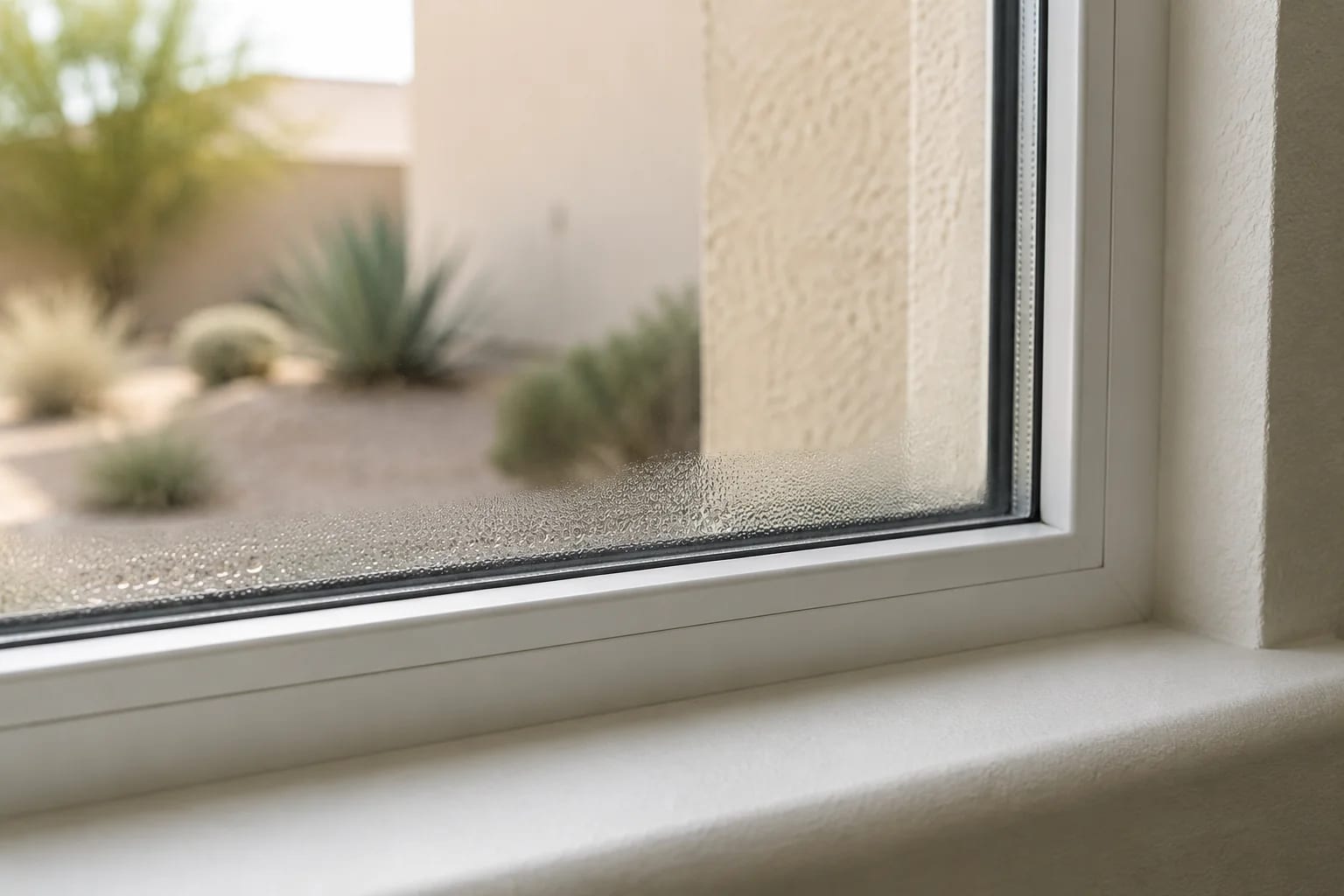
Moisture on the room-side or exterior glass can reflect ordinary humidity and surface temperature conditions. Haze, droplets, or mineral-looking residue trapped between panes is different: it can indicate that the sealed glass unit no longer controls moisture as intended.
A failed glass seal does not by itself prove that every window should be replaced. Depending on the product and condition, the glass unit may be serviceable separately. Ask whether the frame, sash, glazing system, and remaining windows are still sound before deciding on the scope.
Drafts persist after basic maintenance
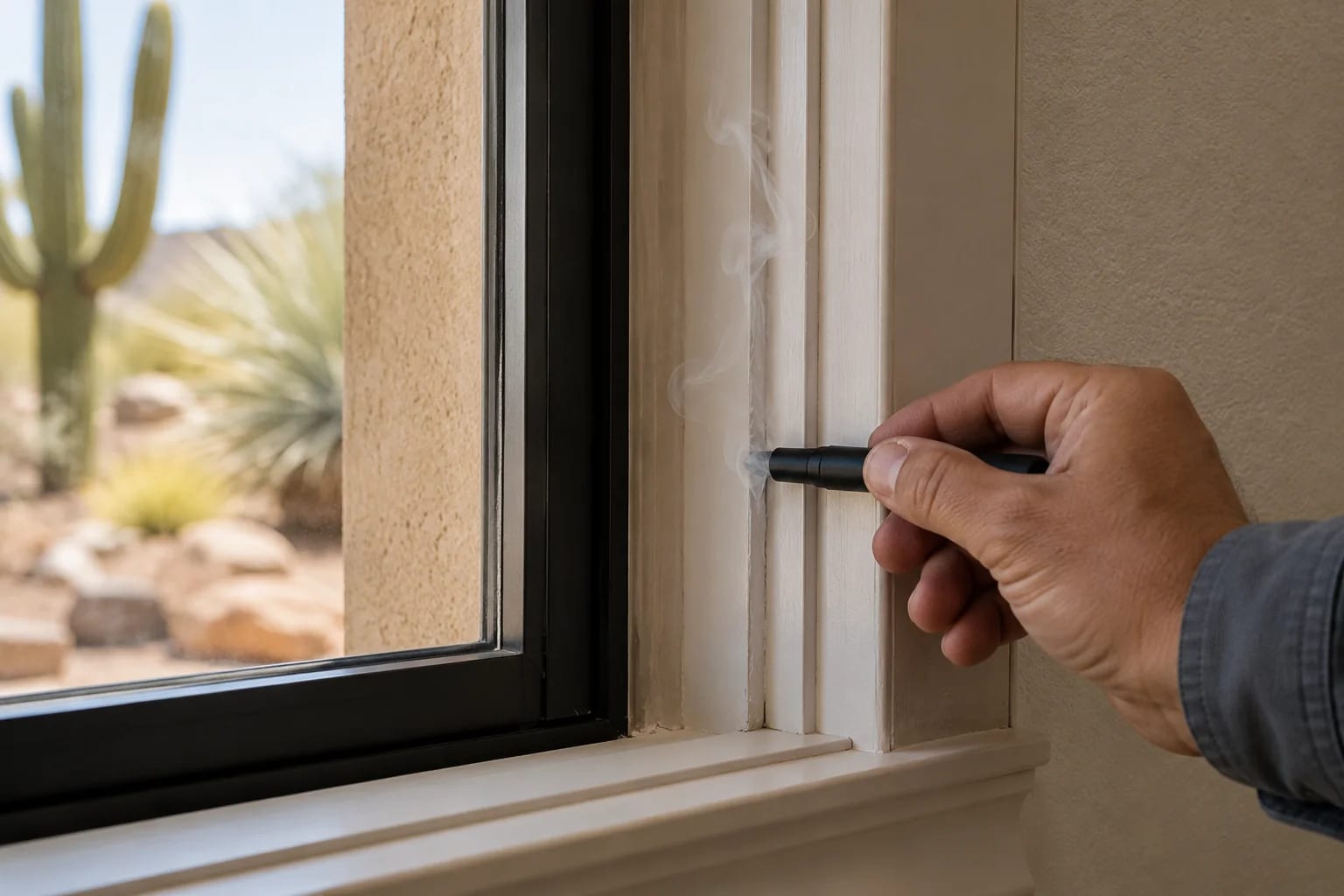
Air movement near a window can come from worn weather seals, a latch that no longer pulls the sash tight, a gap at trim, or leakage in the surrounding wall. It can also be confused with cool air moving down the surface of glass. A smoke pencil or other professional diagnostic method can help locate a path without relying on sensation alone.
If cleaning tracks, replacing an appropriate removable seal, or correcting an obvious maintenance item does not help, the opening deserves closer review. Empty later fixes such as adding caulk over drainage paths can create new problems, so avoid sealing openings without understanding their purpose.
Frames, sills, or surrounding finishes are damaged
Cracks, separated joints, soft material, corrosion, recurring staining, or movement at the frame can signal exposure or loss of structural integrity. Interior paint damage may be cosmetic, but recurring discoloration after storms deserves attention because the entry point may be above or beside the visible stain.
An evaluator should look beyond the window unit when necessary. Stucco interfaces, flashing, sealant joints, sills, roof drainage, and wall penetrations can all influence what appears around a window. Replacement should address the actual water-management path, not simply cover the symptom.
Outside noise or dust intrusion has changed
A sudden increase in dust or noise may point to a gap, damaged seal, latch problem, or failed component. It may also reflect changes outside the home. Note whether the issue is concentrated near one movable sash, at the frame perimeter, or throughout a room.
New windows can be configured with different glass, frame, and sealing systems, but no window makes a room soundproof or dustproof. Ask for product ratings and installation details that relate to the problem rather than relying on a broad marketing claim.
Sun-exposed rooms are difficult to manage
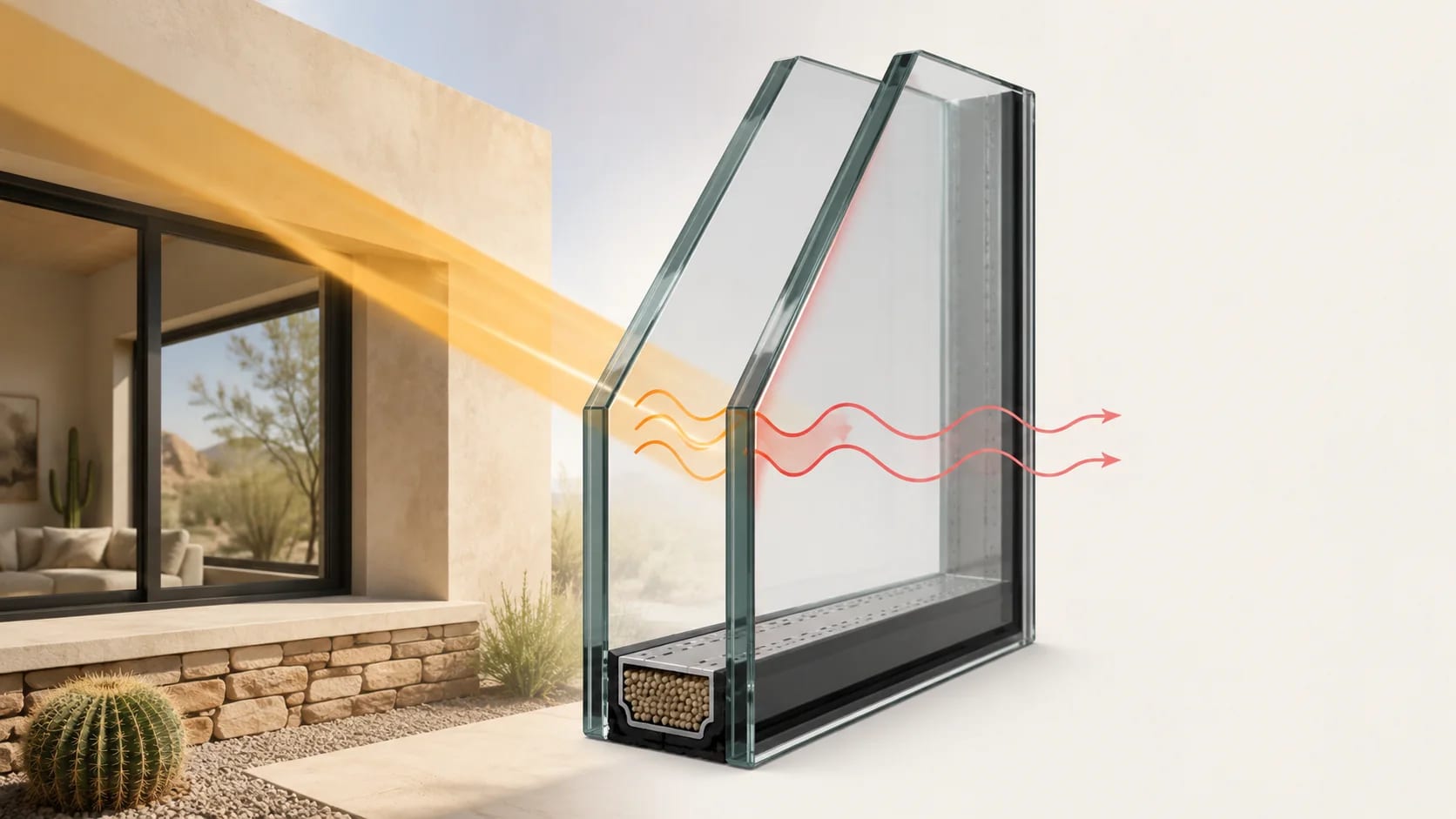
Rooms with substantial direct sun can feel different from shaded rooms for many reasons: glass area, orientation, exterior shading, air distribution, insulation, and the complete window assembly all play a part. Faded furnishings or hot interior surfaces can be reasons to review glass and shading choices, but they are not a remote diagnosis of window failure.
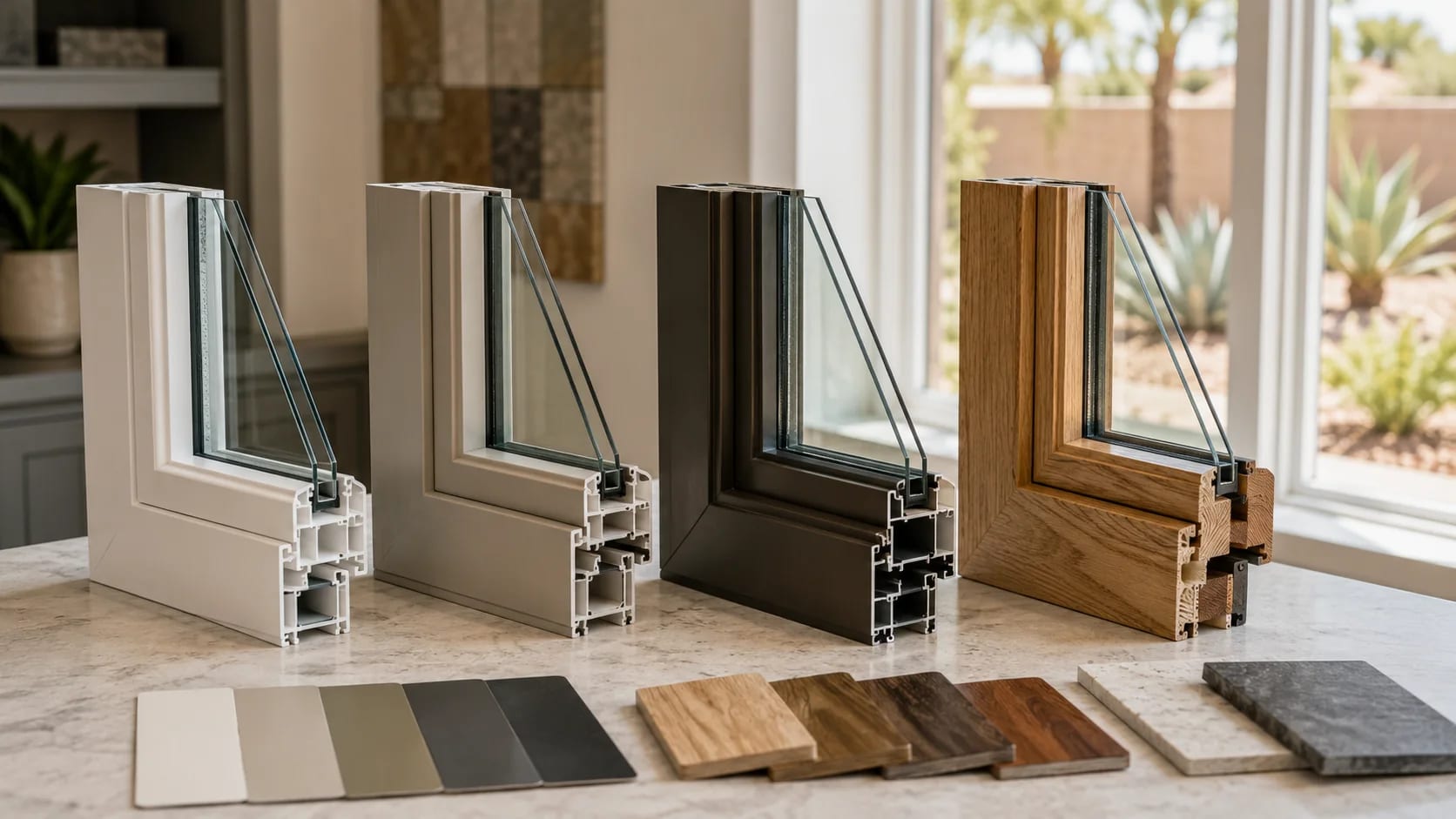
For a replacement discussion, identify which windows receive morning or afternoon sun and which rooms concern you most. This helps compare Low-E coating packages, visible light, solar heat-gain ratings, frame options, and exterior shading as a coordinated decision.
Prepare for an on-site window evaluation
Make a short list of symptoms by room and photograph any condition that changes with weather. Clear access to representative openings, locate prior product or warranty information if available, and decide whether you are evaluating one problem window or considering a broader project.
A useful estimate should identify the openings, proposed operating styles, glass and frame specifications, installation approach, interior and exterior finish work, cleanup, and known exclusions. Ask how concealed damage would be documented and approved if it is found after removal.
Which symptoms appear only during wind or rain?
Are any windows needed for bedroom emergency egress?
Which rooms have the strongest direct sun or comfort concern?
Do you want to preserve a particular sightline, color, or operating style?
Are blinds, shutters, security devices, or alarms attached to the openings?
Replacement is a scope decision, not a conclusion from one sign
The right next step may be maintenance, repair, targeted replacement, or a planned group of openings. Age alone is not a complete diagnosis, and a sales claim should not substitute for observing the frame, glass, operation, water management, and surrounding construction.
If you would like help evaluating windows in your Arizona home, request an estimate and describe the symptoms you have noticed. Renmark can inspect the openings, discuss practical options, and explain the proposed scope before you decide how to proceed.
Questions related to this guide
Why does window orientation matter in Arizona?
Windows on different sides of a home can receive different amounts and timing of direct sun. Shading, glass selection, frame condition, nearby surfaces, and room use can therefore change priorities by opening. A useful evaluation considers the home as it actually sits rather than recommending one configuration solely from a product name.
Can individual windows be replaced?
Often, yes. Whether replacing one opening is practical depends on its condition, compatibility with nearby windows, the desired appearance, and the cause of the problem. Evaluating the affected opening and the surrounding wall helps determine whether a focused replacement or a larger plan makes more sense.
What are common signs windows may need replacement?
Possible signs include difficult operation, damaged frames, recurring water entry, drafts caused by a poor seal, persistent condensation between panes, or glass and hardware that no longer perform as intended. One symptom does not automatically mean every window needs replacement; an on-site evaluation can separate repairable issues from broader deterioration.
Continue your research
WindowsRenmark helps Arizona homeowners upgrade old, inefficient, or damaged windows with professionally installed replacement windows designed for comfort, curb appeal, and long-term performance.Phoenix service areaRenmark serves Phoenix homeowners as part of its greater Phoenix and surrounding-community service area. Residential attic-insulation evaluations are available by phone so Renmark can confirm the address, attic access, and requested scope.Window Replacement in PhoenixPhoenix window planning often centers on solar heat gain, failed seals, frame condition, and air leakage at the opening. Glass performance is important, but installation details and the connection to existing stucco or interior finishes also affect the completed project.
Ready to Discuss Your Home?
Tell Renmark what you would like evaluated, and our team will help you understand the condition of your home, available options, and appropriate next steps.