
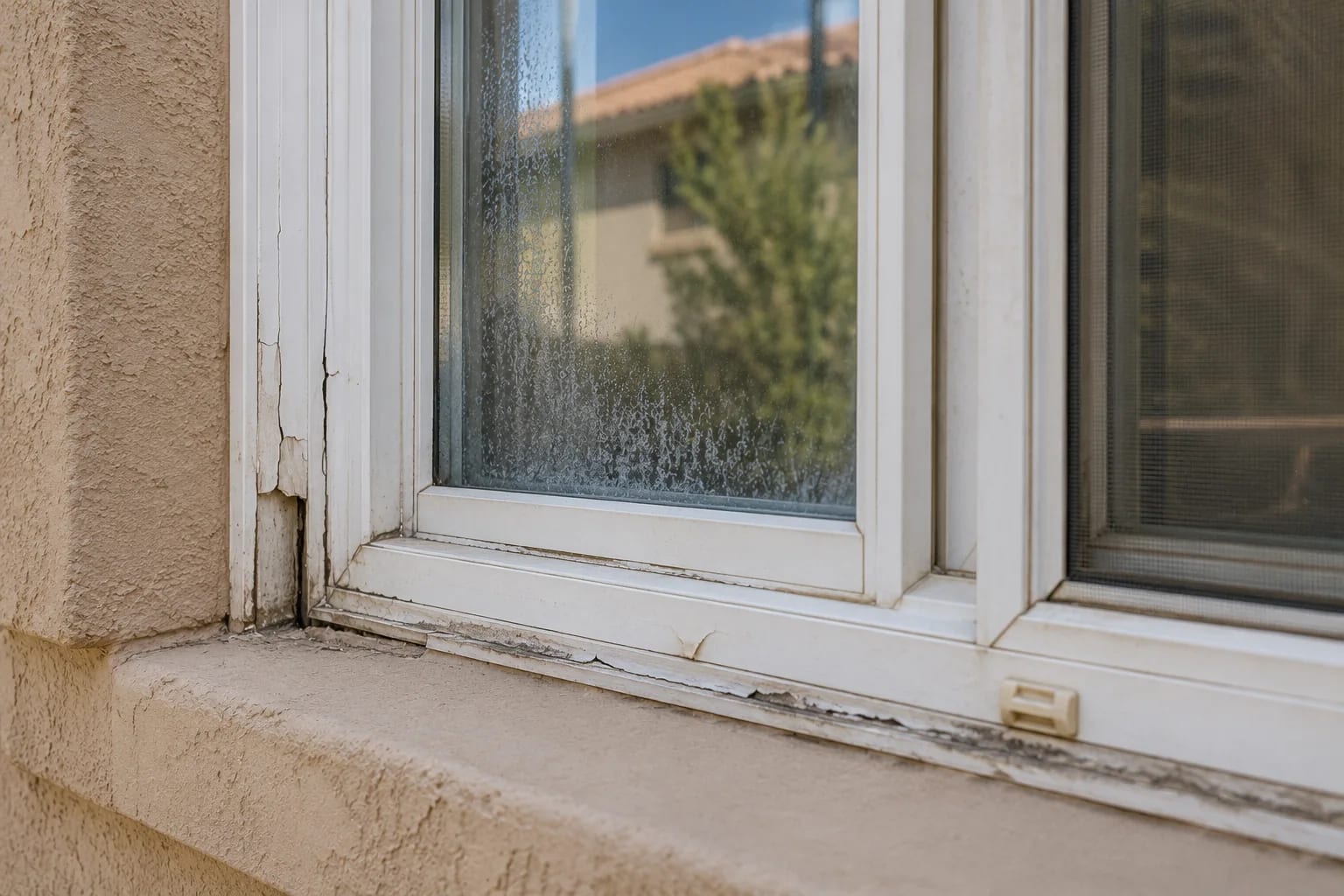
Resource
What Low-E Glass Means for Phoenix-Area Homeowners
Understand Low-E coatings, solar heat gain, visible light, orientation, and the product ratings that matter when comparing replacement-window glass.
Renmark Editorial Team · 4 min read · Published Jul 15, 2026 · Reviewed Jul 15, 2026
Low-E is short for low emissivity. In window glass, it describes a very thin coating designed to manage radiant heat transfer while allowing visible light through. That simple definition is useful, but it does not tell you whether one glass package is right for every room or exposure.
Phoenix-area homeowners often compare Low-E options because strong solar exposure can make glass selection noticeable. The practical comparison uses product ratings, orientation, shading, appearance, and the complete installed window—not a promise that one coating will produce a guaranteed utility-bill result.
What the coating is designed to do
Radiant energy moves through and around a window in different wavelengths. A Low-E coating is engineered to reflect portions of that energy. Its effect depends on the coating formulation and which surface within the insulated glass unit receives it. The coating is not a visible film applied casually after installation.
Modern insulated glass units may combine Low-E coatings with multiple panes, sealed spaces, spacers, and gas fills. Those parts work together. A coating name alone does not describe frame conduction, air leakage, edge conditions, or installation quality.
Use ratings instead of broad labels
When comparing products, ask for ratings for the exact window configuration and size range being proposed. U-factor describes heat transfer through the complete product; solar heat gain coefficient describes the fraction of incident solar radiation admitted; visible transmittance describes how much visible light passes through.
Lower is not automatically better for every number and every room. A lower solar heat-gain coefficient can be useful on strongly exposed glass, while visible light, appearance, vegetation, overhangs, and room use still matter. Compare tradeoffs rather than selecting a label in isolation.
Orientation and shading change the decision
East- and west-facing windows can receive low-angle sun at different times of day. South-facing openings interact with seasonal sun angles and overhangs, while north-facing glass may receive less direct sun. Nearby buildings, trees, patio covers, screens, and recessed openings can change actual exposure.
Walk around the home during the estimate and identify the rooms that concern you. A whole-home project may use one consistent glass package for appearance and ordering simplicity, but the reasoning should still acknowledge which exposures are most demanding.
Low-E does not replace exterior shading or air sealing
A glass coating is one part of comfort and heat management. Exterior shade can stop direct sun before it reaches the glass, while interior coverings mainly manage light and privacy after energy has entered the opening. Air sealing, frame design, wall insulation, duct performance, and thermostat settings also influence a room.
If a room remains uncomfortable, avoid assuming the window is the only cause. Look for large glass areas, missing shade, duct or airflow concerns, ceiling and wall exposure, and gaps around the opening. A coordinated solution can be more useful than expecting one product feature to correct every condition.
Appearance deserves an in-person review
Coatings and glass combinations can have a subtle color, reflectivity, or difference when viewed from an angle. Screens, tint, interior lighting, and neighboring windows influence the final appearance. Review a representative sample and ask whether all elevations will use the same glass.
If you are replacing only selected windows, compare the proposed glass with adjacent existing units from inside and outside. Exact matches may not be possible across different product generations, so make an intentional decision about consistency.
Ask about the complete glass specification
A clear proposal identifies more than “energy-efficient glass.” It should name the manufacturer or product line, pane configuration, Low-E package, safety glazing where required, grids or decorative options, spacer details when relevant, and the ratings available for the unit.
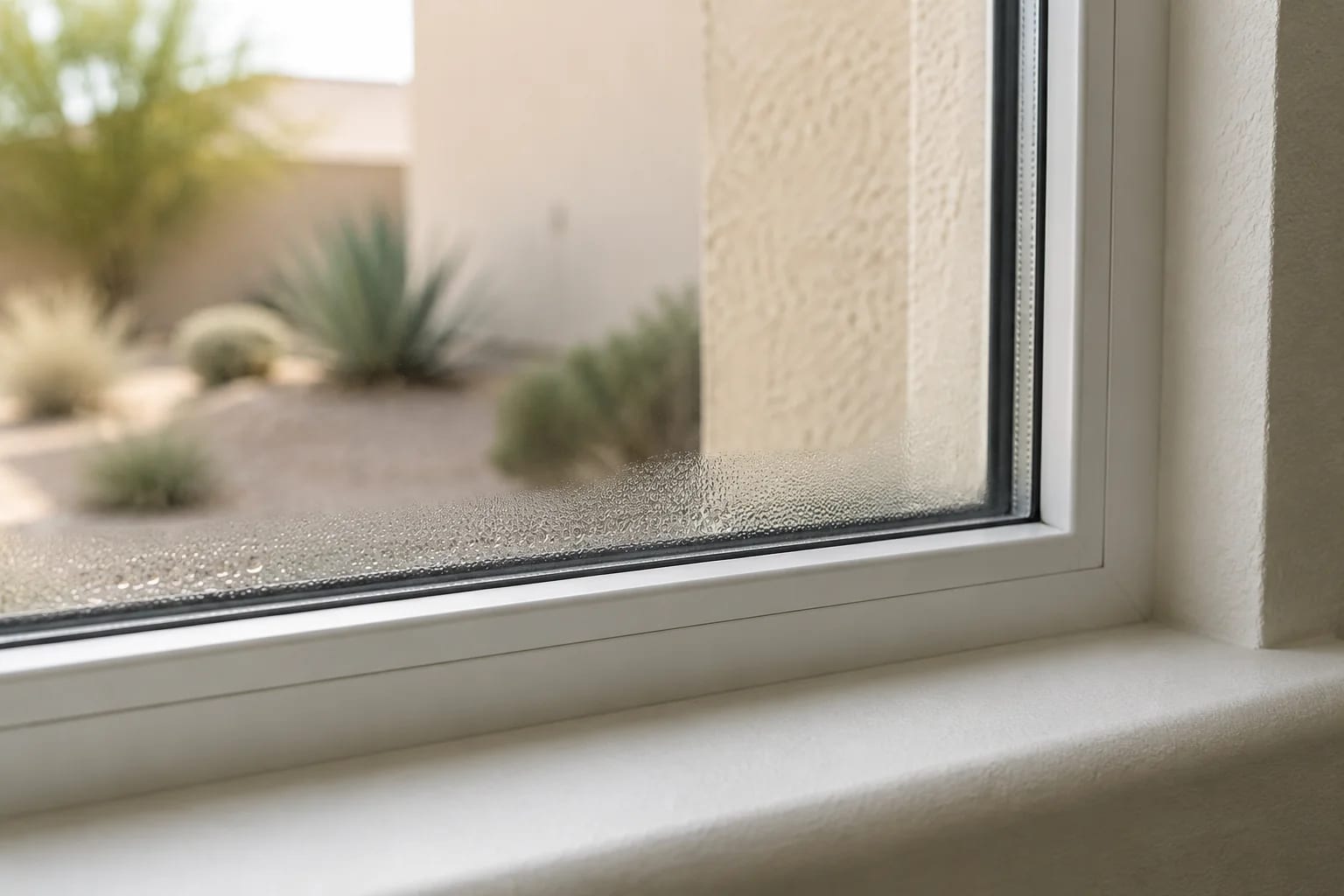
Also ask about the product warranty and the process for a failed insulated glass seal. Coverage terms, labor, registration, transfer, and exclusions can differ. Rely on the written documents for the selected product rather than a general summary.
What are the U-factor, solar heat-gain coefficient, and visible-transmittance ratings?
Is this rating for the complete window or only center-of-glass?
Will the glass package vary by orientation or remain consistent?
How will safety-glazing needs be identified?
What visible color or reflectivity should I expect?
What does the written glass warranty cover?
Keep claims specific and verifiable
Low-E glass can be a meaningful component of a replacement window, especially in a sunny climate. It should not be sold through a guaranteed percentage of savings or a claim that one configuration is perfect for every home. Actual energy use depends on the entire building and how it is operated.
Use the estimate to compare exact products and to connect ratings with your exposures and priorities. Renmark can review window and glass options for Arizona homes and document the proposed configuration before you make a decision.
Questions related to this guide
Why does window orientation matter in Arizona?
Windows on different sides of a home can receive different amounts and timing of direct sun. Shading, glass selection, frame condition, nearby surfaces, and room use can therefore change priorities by opening. A useful evaluation considers the home as it actually sits rather than recommending one configuration solely from a product name.
How do I compare window frame materials?
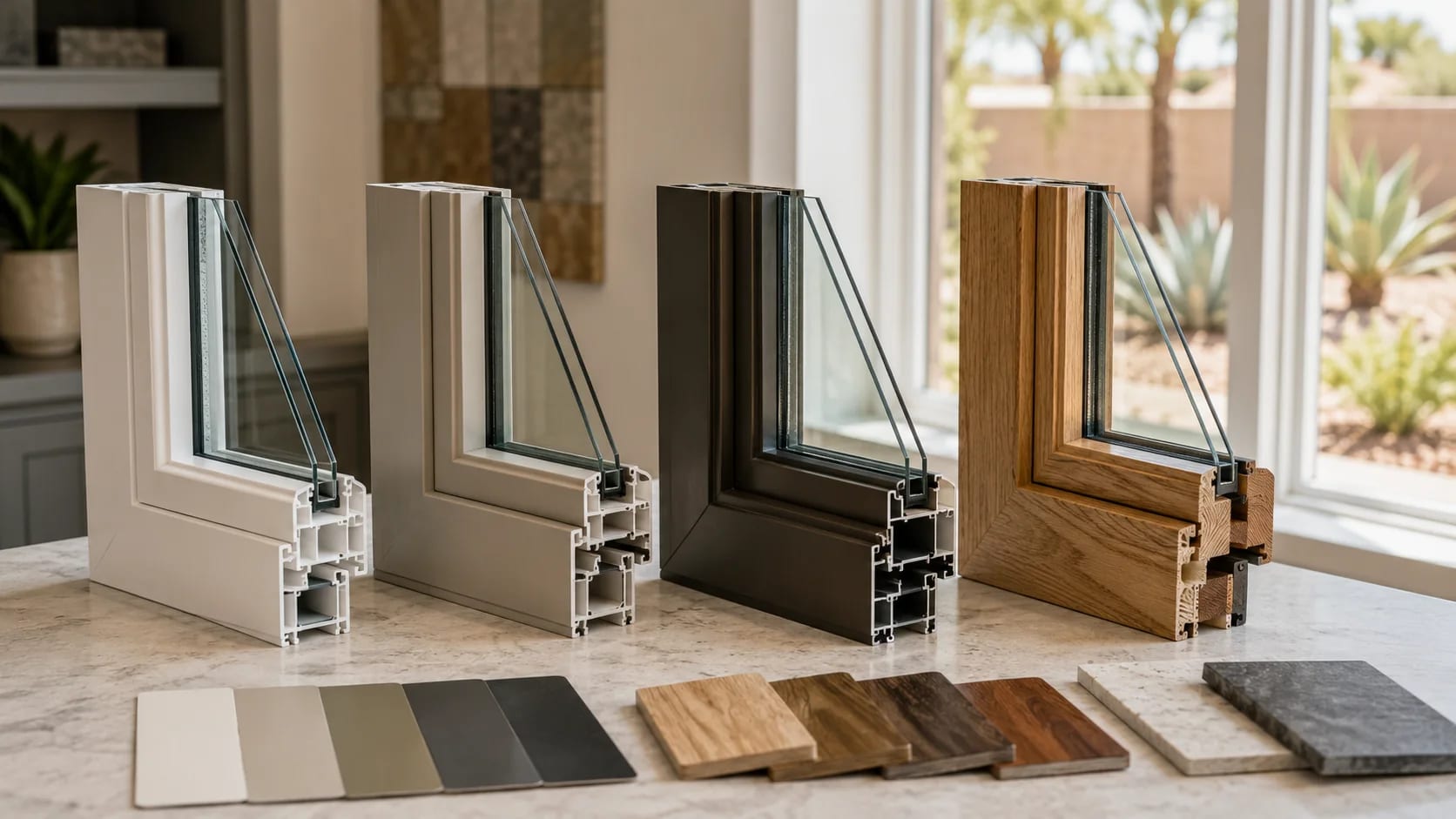
Compare the complete frame system for durability, maintenance, thermal behavior, appearance, color choices, hardware, warranty terms, and suitability for the opening. No material is automatically best for every home; installation details and the quality of the complete window matter alongside the frame label.
What is Low-E glass?
Low-emissivity, or Low-E, glass uses a thin coating designed to manage radiant heat transfer while still admitting visible light. Coating type, pane configuration, orientation, shading, and the complete window assembly all matter, so compare rated products and ask how the proposed glass package fits each side of your home.
Continue your research
WindowsRenmark helps Arizona homeowners upgrade old, inefficient, or damaged windows with professionally installed replacement windows designed for comfort, curb appeal, and long-term performance.Phoenix service areaRenmark serves Phoenix homeowners as part of its greater Phoenix and surrounding-community service area. Residential attic-insulation evaluations are available by phone so Renmark can confirm the address, attic access, and requested scope.Window Replacement in PhoenixPhoenix window planning often centers on solar heat gain, failed seals, frame condition, and air leakage at the opening. Glass performance is important, but installation details and the connection to existing stucco or interior finishes also affect the completed project.
Ready to Discuss Your Home?
Tell Renmark what you would like evaluated, and our team will help you understand the condition of your home, available options, and appropriate next steps.