
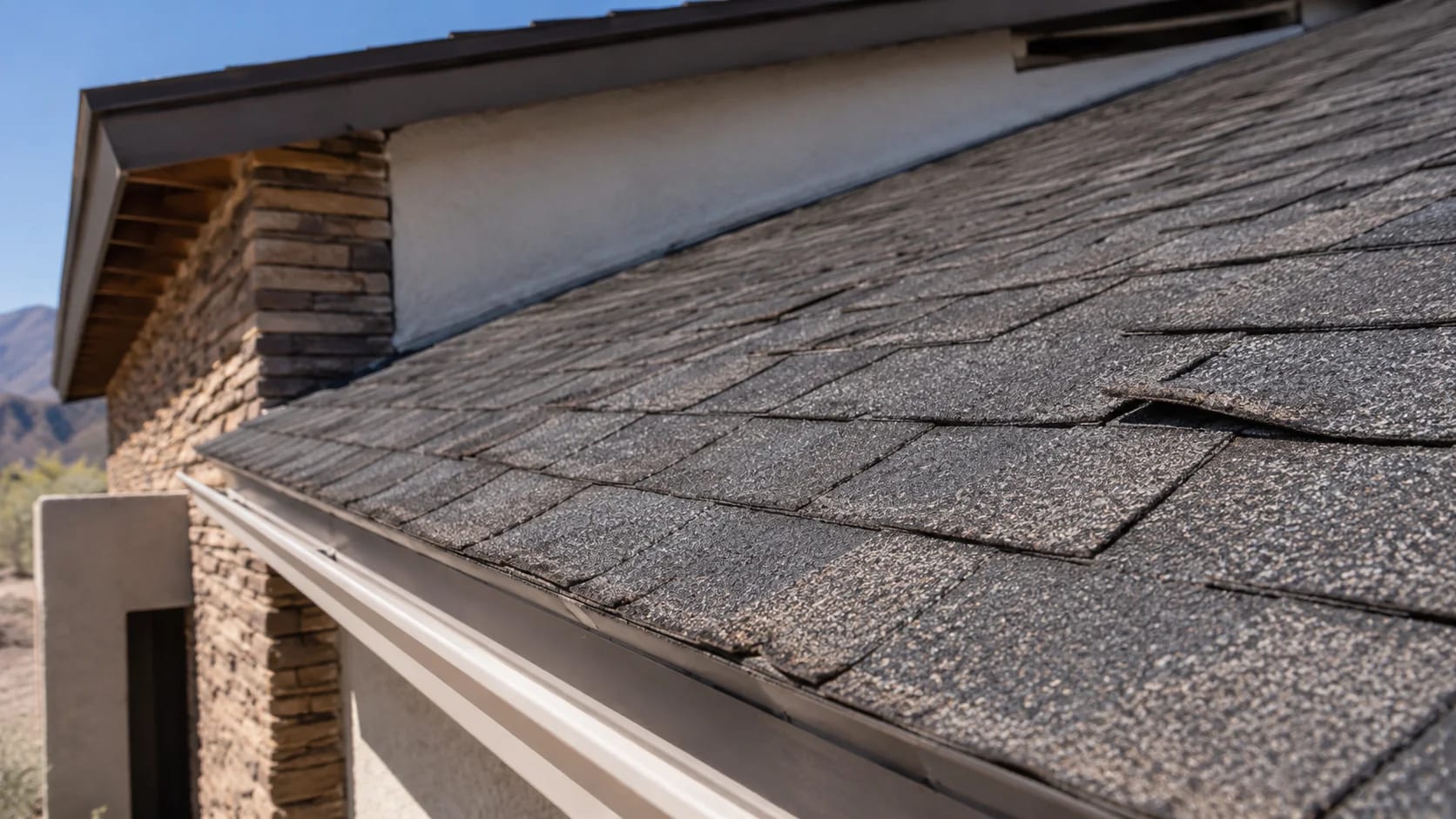
Resource
How to Document Roof Condition Before an Insurance Conversation
Build a clear roof-condition record with dated observations, safe photographs, prior work documents, and a written inspection scope—without guessing about coverage.
Renmark Editorial Team · 4 min read · Published Jul 18, 2026 · Reviewed Jul 18, 2026
When a roof concern appears after wind or rain, it is easy to begin with conclusions: the storm caused it, the roof needs replacement, or a policy will pay for a particular scope. A stronger starting point is a factual record of what you observed, when you observed it, and what a qualified inspection found.
Contractors can document roof conditions and propose work, but they do not decide insurance coverage. Your policy, insurer, and claim process control that determination. Keeping those roles separate helps you ask clearer questions and compare the physical roof scope independently from a coverage decision.
Record the event and the first visible symptoms
Write down the date and approximate time you first noticed a ceiling stain, displaced material, debris, or another change. Note recent wind or rain without stating that weather caused the condition unless an inspection supports that conclusion. Include which rooms or roof areas are involved and whether the symptom is changing.
If water is actively entering, protect people and belongings from the affected interior area and avoid electrical fixtures or sagging finishes. Contact the appropriate emergency or qualified professional help. Documentation should never delay steps needed to keep occupants away from a hazard.
Photograph from safe, repeatable locations
Take wide and closer interior photographs that show the affected room and the specific stain or damage. Outside, use safe ground-level viewpoints to capture the relevant roof plane, gutters, yard debris, and displaced materials that are visible. Keep the original files so their dates and context remain available.
Do not climb onto a wet, steep, wind-exposed, or damaged roof for a better angle. A roofing professional can document close conditions with appropriate access practices. Ask for labeled photographs that connect each close-up to a roof area instead of receiving an unexplained folder of images.
Gather records without waiting for a perfect file
Helpful records may include past inspection reports, invoices, permits where applicable, product information, repair photographs, and the approximate roof age if known. Also keep messages related to the current event and a log of temporary measures or visits.
Missing paperwork does not mean you should invent a date or delay reporting a time-sensitive issue. Label estimates as estimates, distinguish recollection from documents, and ask the insurer directly about its notice and documentation requirements.
Ask the roof inspection to separate conditions and scope
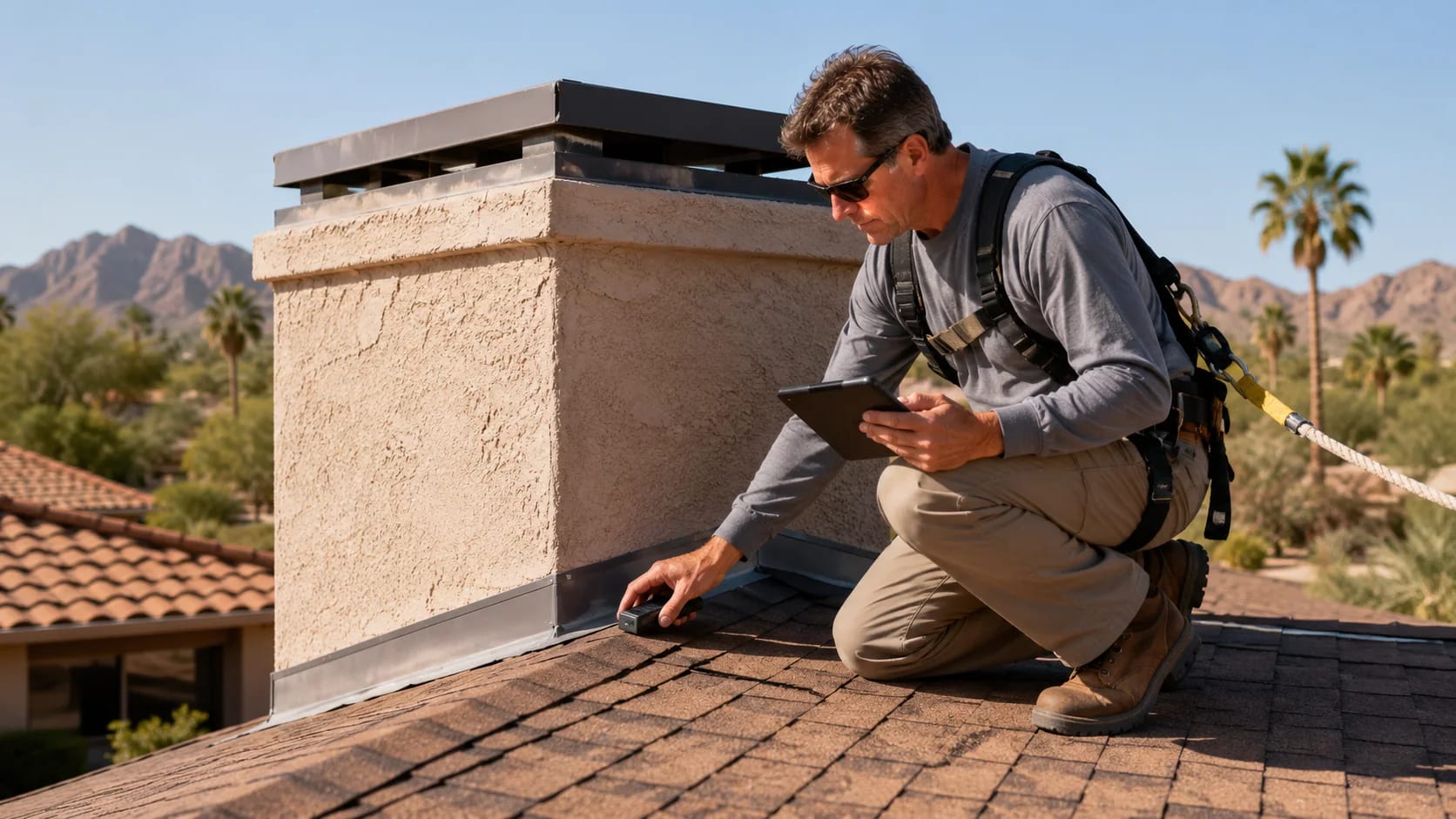
An inspection should distinguish observed damage from age-related wear, maintenance items, and concealed conditions that cannot be confirmed without further work. The written result should identify roof areas, materials, flashing, penetrations, drainage, and any interior or attic observations within the inspection scope.
If temporary protection is recommended, ask what it will cover, whether it affects later evaluation, and how it will be documented. Do not authorize broad removal merely to produce evidence unless responsibilities, cost, and next steps are clear.
Keep the contractor estimate and coverage decision separate
A contractor estimate describes proposed construction work. An insurer’s estimate or coverage communication serves a different purpose. Differences may involve measured area, material, code-related items, repairability, exclusions, depreciation, or documentation. Ask each party to explain its own document rather than assuming one automatically controls the other.
Review your policy and communications, and consult the insurer or an appropriately licensed insurance professional for coverage questions. Be cautious with anyone who guarantees claim approval or asks you to sign unclear repair, assignment, or payment documents.
Organize one clear roof-condition file
A simple folder—digital or paper—can keep the sequence understandable. Use descriptive filenames and retain versions of estimates when scope changes so the record does not become a mix of unlabeled screenshots.
A short timeline of weather, observations, calls, inspections, and temporary work
Original interior and safe exterior photographs with locations noted
Prior roof records and current product information, when available
The inspection report, labeled photos, and written contractor scope
Policy communications and questions that still need an insurer response
Use documentation to support a condition-based decision
Good records cannot guarantee coverage or determine whether repair or replacement is appropriate. They can make the roof condition, proposed work, and unanswered questions easier to understand. Choose construction scope based on the documented assembly and current condition, then coordinate coverage details through the proper insurance process.
Renmark can inspect residential roofing for homeowners across Arizona and provide a written project scope. Ask what photographs and observations will be included, and bring any existing reports so the discussion begins with the same known information.
Questions related to this guide
What information should I have ready for an estimate?
Helpful information includes the service you are considering, the areas of the home involved, symptoms you have noticed, your preferred timing, and any access limitations. Photos, past repair records, product labels, or insurance documents may provide context, but do not delay requesting an evaluation if those items are unavailable.
What happens during a roofing estimate?
A roofing estimate should establish the areas being evaluated, observed conditions, proposed system and materials, accessories such as flashing and ventilation, known repair allowances, cleanup expectations, and the next steps. Access needs vary, and an attic or interior review may be useful when leaks or ventilation concerns are involved.
What are signs a roof should be inspected?
Reasons to request an inspection include active or suspected leaks, displaced or broken materials, visible flashing damage, unusual debris after wind, sagging areas, recurring ceiling stains, or a roof nearing the expected service range for its system. These signs call for evaluation, not an automatic assumption that full replacement is required.
Continue your research
RoofingRenmark helps Arizona homeowners navigate roof replacement with clear project coordination, product guidance, installation scheduling, and warranty support.Phoenix service areaRenmark serves Phoenix homeowners as part of its greater Phoenix and surrounding-community service area. Residential attic-insulation evaluations are available by phone so Renmark can confirm the address, attic access, and requested scope.Tempe service areaRenmark is based in Tempe and serves homeowners throughout the greater Phoenix area and surrounding communities. Residential attic-insulation evaluations are available by phone so Renmark can confirm the address, attic access, and requested scope.
Ready to Discuss Your Home?
Tell Renmark what you would like evaluated, and our team will help you understand the condition of your home, available options, and appropriate next steps.